Blog
Published on: 16-01-2026
Author : PISPL Editor Team
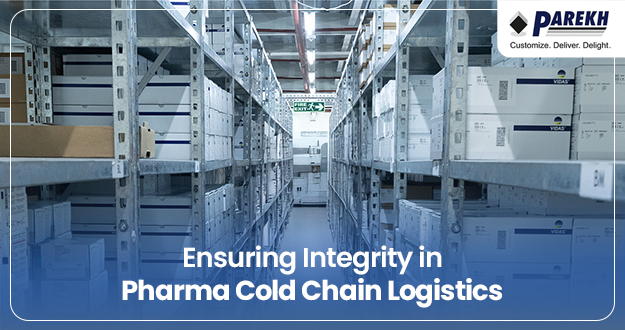
Ensuring Integrity in Pharma Cold Chain Logistics
Few aspects of Healthcare logistics are as challenging as transporting temperature-sensitive Pharmaceuticals. Vaccines, biologics, insulin, and cancer treatments all demand exact temperature maintenance from origin to destination. Minor temperature fluctuations or handling errors can destroy product integrity, compromise patient safety, and violate regulatory standards. Cold chain reliability is therefore a fundamental responsibility in Pharmaceutical distribution, not simply a technical process. The implications are both clinical and reputational, as Pharmaceutical companies and logistics partners must deliver unwavering quality under strict requirements. Public confidence depends not just on medication effectiveness but on the assurance that products have been managed with proper care at every point.
Importance of Cold Chain Management
Temperature-controlled Pharmaceuticals are especially susceptible to temperature excursions. Multiple factors contribute to these excursions: insufficient packaging, transportation delays, incorrect hub storage, or basic human error. The ramifications go beyond monetary costs. Compromised product efficacy creates serious risks for patients relying on these treatments for effective and timely care. Regulatory authorities worldwide have established strict standards for storing and transporting such products in response to these dangers. Any violation can trigger product recalls, regulatory sanctions, and permanent damage to patient health. As medications grow more specialized and biologically sophisticated, acceptable tolerances continue to narrow. Cold chain logistics must therefore be treated as a clinical component of Pharmaceutical care, where procedural failures can produce life-threatening results.
The Role of Infrastructure in maintaining product efficacy
Maintaining product quality across thousands of kilometers depends on physical infrastructure that is designed with control, visibility, and accountability in mind. Cold chain warehouses must be equipped with temperature-controlled chambers, real-time monitoring systems, and alarm mechanisms that detect deviations immediately. Transit vehicles, too, need to offer stable cooling environments and must be validated for performance. These systems require not just installation but active management and regular audits to maintain reliability. The infrastructure functions as both a protective barrier for products and a foundation for regulatory compliance. Beyond refrigeration units and sensors, infrastructure must withstand external challenges like power outages, severe weather, and logistical interruptions. Facilities should incorporate product-specific storage zones, redundant systems, and restricted access areas to reduce handling mistakes. The physical environment plays a silent but crucial role in safeguarding the therapeutic value of sensitive drugs.
SOP-Driven Ops and Compliance
People are as crucial to cold chain success as any technology or facility. Without consistent process discipline and well-trained teams, even the best infrastructure can fail to prevent a cold chain breach. Personnel involved in handling temperature-sensitive products need to understand the significance of their actions, whether they're placing products on a shelf, unloading a shipment, or sealing a truck. Standard operating guidelines must be applied strictly and revised periodically. Regular training ensures that each team member—from storage personnel to transport operators—has the competence to act promptly and accurately when circumstances evolve. Human engagement brings unpredictability, but it also presents opportunities for preventive action. Regular refresher courses, job-specific exercises, and interdepartmental reviews help strengthen the need for maintaining uniformity across all operational stages.
Data-Driven Visibility & Risk Prevention
Although cold chain logistics relies heavily on physical equipment and human supervision, data serves a central function in risk prevention and maintaining stability. Temperature records, shipment duration logs, and facility inspection reports offer historical perspective that helps refine delivery routes and handling methods. Predictive analytics can reveal trends indicating where breakdowns may happen, allowing preventive measures before problems develop. This kind of intelligence transforms passive oversight into active cold chain management, reducing the chances of unforeseen disruption. Data collection and analysis also create traceability, which is vital for investigations and continuous improvement. Real-time alerts, trend mapping, and decision support tools empower stakeholders to intervene before risks escalate.
Regulatory Compliance as a Continuous Discipline
Cold chain integrity is inseparable from regulatory compliance. Global and national bodies impose strict guidelines on Pharmaceutical logistics, including those from WHO, GDP, and local health authorities. But compliance is not a box to tick during audits. It is an ongoing commitment that touches every touchpoint in the supply chain. This includes everything from equipment calibration and validation to documentation and deviation handling. The audit-readiness of a cold chain network is a direct reflection of how seriously it takes patient safety. Documentation must be thorough, available, and traceable throughout all handling stages. Regulatory requirements change over time, and logistics providers must keep pace with updates, emerging protocols, and shifting expectations. A culture that integrates compliance into everyday operations proves far more durable than one that responds to audits with last-minute effort. This preparation enables smooth operations even during demanding situations.
Conclusion
The challenges confronting Pharmaceutical cold chains will become more severe as therapies grow more sensitive, distribution channels broaden, and regulatory enforcement becomes stricter.
PISPL provides end-to-end supply chain solutions to Pharmaceutical companies. Our dedicated cold chain logistics network is designed for consistency, precision, and regulatory compliance. With validated temperature-regulated facilities ranging from -90°C to +25°C, trained personnel, real-time monitoring, and a solid national distribution footprint, PISPL ensures the efficacy of sensitive Pharmaceuticals remains maintained from ex works to the last mile.
Looking for an end-to-end supply chain partner with validated cold chain solutions for your Pharmaceuticals products? Contact us
Recent Post
India’s Medical Device Boom: What It Means for Warehousing and Distribution
The Changing Landscape of Healthcare Supply Chains in India

Why Chennai is Emerging as India’s Next Healthcare Supply Chain Hub
How 3PL Companies Help Healthcare Brands Scale Faster